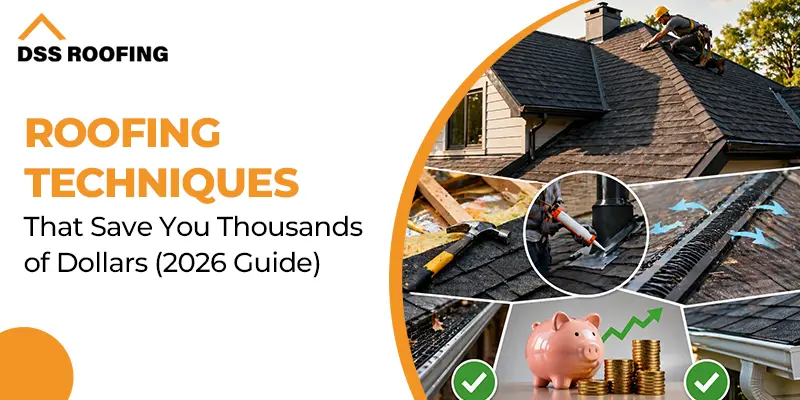
Most people do not think about their roof until something feels off. A small leak. A patch that keeps coming back. Or rising energy bills that do not quite make sense. That is usually when curiosity kicks in. What went wrong? And more importantly, what could have been done differently? We have seen this pattern often. Homeowners start exploring the best roofing materials for US homes, expecting a clear answer. But material alone rarely fixes the problem without proper roofing techniques.
Hence, it is the technique behind it that quietly shapes performance and cost.
What Are Roofing Techniques?
Roofing techniques are the methods used to install, layer, seal and protect a roofing system. It sounds straightforward. But in practice, it is where most long-term savings or losses begin. A roof is not one layer. It is a system. And every step in that system affects how it behaves over time.
Why the Right Roofing Technique Matters
Installation quality can impact a roof’s lifespan by 30 to 50%. That is not a small margin. A well-installed roof handles water flow, resists wind uplift and maintains internal temperature balance. A poorly installed one may look fine at first but starts showing issues within a few seasons. We have seen roofs fail early even with premium materials. The cause usually traces back to shortcuts during installation.
Common Roofing Mistakes That Cost Thousands
Some mistakes repeat across projects:
- Incorrect nail placement leading to shingle uplift
- Poor flashing around vents and chimneys
- Skipping underlayment layers to reduce initial cost
- Inadequate attic ventilation
These do not always show immediate damage. But over time, they lead to leaks, insulation issues and structural repairs.
Best Roofing Techniques to Save Money
How long does a roof last in the US? Saving money on roofing rarely comes from choosing the cheapest option. It comes from avoiding repeated expenses.
Proper Shingle Installation Techniques
Shingles must be aligned correctly and secured using the recommended number of nails. Typically four to six nails per shingle depending on wind exposure. Improper nailing is one of the most common causes of premature failure. Shingles loosen, edges lift and water finds entry points.
Cost-Effective Roof Layering Methods
A strong roofing system includes the following:
- High-quality underlayment
- Ice and water barriers in vulnerable areas
- Properly layered shingles
This layered approach creates backup protection. Even if the outer layer is damaged, the inner system prevents immediate structural issues. We have noticed that projects handled with this level of detail, like some completed by DSS Roofing, tend to require fewer repairs over time. It is not about adding luxury. It is about reducing risk.
Roof Ventilation Techniques That Reduce Energy Bills
Ventilation directly affects both roof lifespan and indoor comfort. Balanced ventilation systems with intake vents at the eaves and exhaust vents at the ridge. It helps regulate temperature. Without this, heat builds up in the attic, which increases cooling costs and accelerates material wear.
Studies show that poor ventilation can increase attic temperatures significantly leading to higher energy consumption.
Roofing Techniques That Extend Roof Lifespan
Longevity is rarely about luck. It is built into the system.
Flashing Installation Techniques
Firstly, flashing protects the most vulnerable areas of a roof around chimneys, skylights and vents. Improper flashing is responsible for a large percentage of leaks.
Correct installation ensures water is directed away from these openings.
Waterproofing and Sealing Methods
Secondly, sealants, membranes and protective coatings add another layer of defence. Modern waterproofing materials are designed to handle temperature changes without cracking.
This flexibility helps maintain a consistent barrier against moisture.
Preventive Maintenance Techniques
Regular inspections can extend roof life significantly. Therefore, simple actions like clearing debris, checking sealants and replacing damaged shingles early prevent larger issues later.
Roofing Techniques for Extreme Weather
Different climates demand different approaches.
Storm-Resistant Roofing Methods
Firstly, in high-wind areas reinforced edges and proper fastening systems are critical. Impact-resistant shingles and secure edge detailing reduce damage during storms.
Heat-Resistant Roofing Techniques
Then in warmer regions reflective roofing materials help reduce heat absorption. Cool roofing systems can lower surface temperatures and reduce indoor cooling costs.
Cold Climate Roofing Strategies
Finally, in colder climates, ice dams are a common issue. Proper insulation and ice barrier installation prevent water from backing up under shingles during freeze-thaw cycles.
DIY Roofing Techniques vs Hiring a Professional
This is where many homeowners pause whether to attempt small fixes or bring in experts.
When DIY Roofing Makes Sense
Minor repairs like replacing a single shingle or clearing debris can be handled safely with the right tools and precautions. For small issues, DIY can save money.
When You Should Hire a Contractor
Complex work such as full installations, structural repairs or flashing replacement requires professional expertise. Incorrect handling can lead to higher costs later.
Cost Comparison Breakdown
DIY may seem cheaper upfront, but mistakes can increase repair costs significantly. Professional installation has a higher initial cost but often reduces long-term expenses through durability and proper execution.
Advanced Roofing Techniques Used by Professionals
The industry continues to evolve with new materials and systems improving performance.
Modern Roofing Materials and Methods
Synthetic underlayments, architectural shingles and metal roofing systems offer better durability and resistance compared to older materials. These materials combined with precise installation create stronger roofing systems.
Energy-Efficient Roofing Systems
Energy-efficient roofs focus on insulation, ventilation and reflective surfaces. They help maintain indoor temperature, reducing heating and cooling costs.
Smart Roofing Innovations (2026 Trends)
New technologies are entering the market. Smart roofing systems now include moisture detection sensors and energy monitoring features. These systems help identify issues early and improve efficiency.
Final Thoughts
There is a point where homeowners start asking or looking into roof repair costs in the US (2026). By then, the roof had already started showing signs of wear. What stands out over time is simple. Roofs built with strong techniques tend to stay predictable. They age gradually. They do not surprise you with sudden problems.
In many cases, the difference comes from decisions made on day one like quiet choices and careful installation. The kind that does not feel important at the time but ends up saving thousands later.
FAQs About Roofing Techniques
- Which roofing method lasts the longest?
Metal and tile roofs usually last the longest, often 40 to 70 years, but lifespan depends heavily on installation. Even basic asphalt roofs can last decades when ventilation, layering and sealing are done right.
- Can roofing techniques really save money?
Yes. Good techniques reduce leaks, repairs and energy loss. The upfront cost may feel higher, but long-term maintenance and repair costs stay much lower.
- What roofing techniques are best for my climate?
It depends on the weather. Hot areas need reflective surfaces and strong ventilation. Cold climates need insulation and ice barriers. Storm-prone regions need reinforced edges and secure fastening.

DSS Roofing
At DSS Roofing we specialize in 24 Hour Emergency Repair. We help our Buffalo NY customers with Roofing , even Roof Snow Removal Services. and More information about DSS Roofing Please Call +1-716-907-7373 and Email: info@dssroofing.com