
Most people do not think about their attic until something feels off. The upstairs feels hotter than it should. The air smells a little stale. The AC runs longer, but the house still feels heavy. That is usually where the quiet problem starts. Roof ventilation or new roof cost is not something homeowners talk about at dinner. It is not visible like shingles or gutters. But it quietly shapes how your house breathes. When it works, you barely notice it. When it does not, the house feels different. Like warmer in summer, damp in winter. Just uncomfortable in ways you cannot quite name. The truth is, many roofs look perfectly fine from the street while slowly trapping heat and moisture underneath.
Roof ventilation is not just about air moving around. Here’s Why.
What most people miss is that ventilation is less about airflow and more about balance. Intake and exhaust. Cool air in, warm air out. Simple idea. Harder in real life. An attic can turn into an oven during summer. That heat does not stay politely in one place. It presses down into the rooms below. Your cooling system works harder and energy bills creep up. You shrug and blame the weather.
In winter, the issue shifts. Warm indoor air rises. It meets the cold underside of the roof deck. Moisture forms. Over time, wood starts to complain. Insulation loses its edge. Usually where problems start. Not for comfort alone but for the life of the roof itself.
Installation Is Where Good Intentions Fall Apart
On paper, ventilation seems straightforward. Cut openings, installing vents. Everything is done but roofs are not paper. Every home has its own shape, pitch, insulation level and climate stress. You cannot just copy what worked on your neighbour’s house. Too many exhaust vents without enough intake create negative pressure. Too much intake without proper exhaust traps air. It is a quiet imbalance but it shows up over time.
Sometimes during a tear-off, contractors discover dark sheathing or rusted nails inside the attic. That is not just age. That is trapped moisture talking. When people focus only on visible upgrades or even the ventilation, it gets treated like a small add-on as optional and secondary. It is not. It is part of the system.
The Different Ways Roofs Try to Breathe
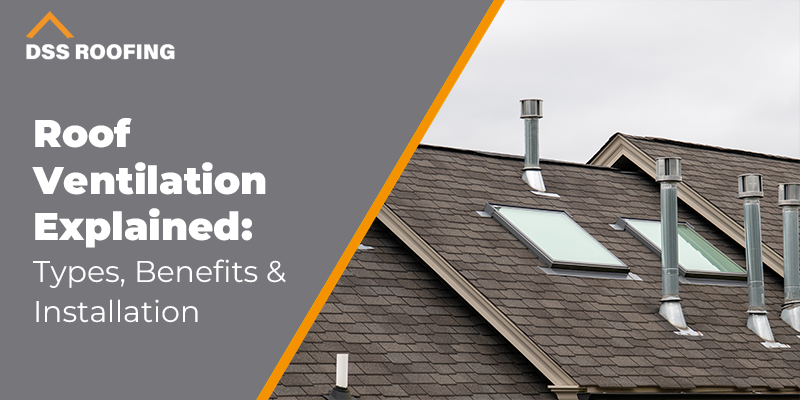
There is no single magic vent that fixes everything. Roofs use combinations. Ridge vents sit quietly along the peak. They are subtle. You hardly notice them unless you are looking. They let hot air escape at the highest point, which makes sense if you think about how heat behaves. Soffit vents hide under the eaves. They pull in cooler air from below. Without them, ridge vents do not do much. Air needs somewhere to enter before it can leave.
Then there are box vents and turbine vents and some spin. Some just sit there doing their job without drama. They have been around for years. Reliable when installed right and yes, powered attic fans exist. They promise strong airflow. Sometimes they help but sometimes they pull conditioned air from the house below if the attic is not sealed properly. This is where people get it wrong. Bigger equipment does not always mean better results.
Heat Is Sneaky
You feel it in July. The upstairs bedrooms are warmer. The ceiling feels like it holds warmth even at night. That trapped attic heat radiates down slowly, like a slow burn you cannot quite cool off. Poor ventilation can also shorten shingle life. Excess heat cooks them from below. Manufacturers rarely advertise this in big letters, but it is there in the fine print. Proper airflow supports warranty terms. That is not random.
In colder months, ventilation helps reduce ice dams. Snow melts unevenly when the attic is warm. Water refreezes near the edges. It backs up under shingles. Small leaks begin. Nothing dramatic at first. Just enough to stain a ceiling or warp a board. People often call for storm damage roof repair after heavy weather but sometimes the storm only revealed an older airflow issue that had been building quietly for years.
Signs Something Feels Off
You do not always see clear warning signs. Sometimes it is subtle. First, a musty attic smell may appear. Then, peeling paint near the roof edges starts showing up. Over time, shingles may begin aging faster than expected. Eventually, energy bills rise without any clear reason. Just the feeling of the house feels heavy in summer, damp in winter. Eventually that vague discomfort that never quite goes away.
The truth is, ventilation problems rarely announce themselves loudly. They whisper and homeowners ignore whispers until they turn into repairs.
It’s Not About Perfect Roof Ventilation
No attic system is perfect. Over time, climate shifts and houses settle. Insulation changes too. Even small renovations can quietly affect airflow patterns. Because of this, awareness matters more than most people realise. During roof replacements, ventilation should not be an afterthought. It should be discussed openly. How many vents? What type? Where is the intake coming from? Whether insulation levels match the airflow design.
This is where it matters again. Quiet decisions during installation shape comfort for decades.
Installation Is About Understanding the House
Good contractors do not rush ventilation design. They look inside the attic, check for existing moisture marks and then count intake vents. That’s how they think about how air will actually move, not just how it looks on a diagram. Sometimes they recommend adjustments that do not seem dramatic from the outside. A ridge vent was added. Soffits cleared. Old vents removed to balance airflow.
Small shifts and big impacts. Because once shingles are down and the roof is sealed, changes become harder and more expensive.
How Roof Ventilations Quietly Protects Everything Below?
Ventilation supports the roof deck, the insulation, and the framing. It reduces stress on HVAC systems. It keeps indoor temperatures more stable and it does all this without being seen. That is probably why it gets ignored. But when homeowners think about the long-term health of their home, especially during major roof work, ventilation deserves real attention. That is never a quick assumption.
The cost of fixing poor airflow later is often higher than getting it right the first time and that circles back to value. Not just immediate pricing but lifespan, comfort and peace of mind.
Residential Roof Ventilation Trends Are Changing the Conversation.
Homeowners today pay more attention to performance, not just looks. That is part of larger residential roofing trends, where energy efficiency and long-term durability matter more than surface color. Ventilation fits into that shift. It is not decorative. However it supports everything else. Solar panels perform better when attic temperatures are controlled. Insulation holds up longer. Even indoor air feels fresher when moisture is managed properly. It is not glamorous. But it is foundational.
Why Choose DSS Roofing
At DSS Roofing, conversations about roofs are not just about shingles and surface finishes. The team understands that ventilation is part of the structure’s breathing system. It is not decorative. It is functional as well as essential. When evaluating a home, the focus goes beyond what is visible from the street. Attic conditions are reviewed. Airflow balance is considered. Decisions are based on how the house actually performs in real weather conditions. Because roofs are not isolated layers. They are systems and systems only work well when every part supports the other. That is usually where long-term performance begins quietly.

DSS Roofing
At DSS Roofing we specialize in 24 Hour Emergency Repair. We help our Buffalo NY customers with Roofing , even Roof Snow Removal Services. and More information about DSS Roofing Please Call +1-716-907-7373 and Email: info@dssroofing.com